
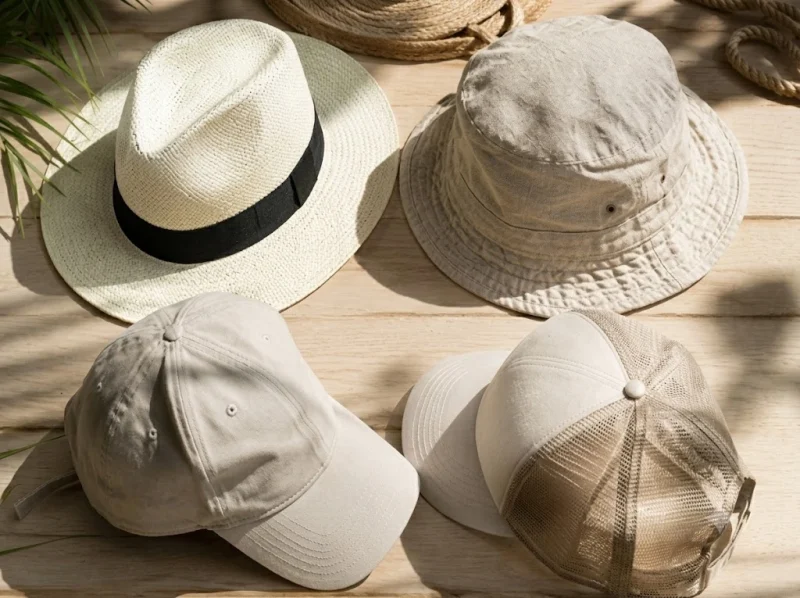
What Are the Most Breathable Hat Materials for Summer?
Summer heat has a way of making every choice about what you wear feel bigger than it actually is, and hats are no exception. Most people grab whatever cap or hat is closest without thinking twice about what it’s made from, assuming shade alone will do the job. But the fabric sitting against your head all day plays a much bigger role in how comfortable you actually feel than most people realise.
A hat that traps heat instead of letting it escape can leave you sweatier and more uncomfortable than not wearing one at all. The good news is that once you understand what makes certain materials breathe better than others, picking the right one becomes far less confusing. This guide breaks down exactly which fabrics hold up best in the heat, so your next summer hat actually works with you instead of against you.
Why the Right Fabric Matters More Than the Look
It’s easy to pick a summer hat based on how it looks and assume the fit and shade will handle the rest. But fabric is doing most of the work you don’t see, and picking the wrong one can turn a summer accessory into a source of discomfort by midday.
What Happens With the Wrong Fabric
A few common issues start showing up fast when a summer hat isn’t built to breathe:
- Heat gets trapped against the scalp instead of escaping, making your head feel warmer than the air around you
- Sweat has nowhere to go, so it sits against your skin instead of evaporating
- Fabric holds onto moisture over a full day out, which is usually where odour starts to build
None of this comes down to brim size or design. The best caps for sun protection in summer earn that reputation because of what’s actually blocking the heat at the fabric level, not just how much shade they cast. Once you know what to look for, spotting a summer hat that’ll actually keep you cool gets a lot easier.
What Summer Hat Materials Are the Most Breathable?
Not all fabrics handle heat the same way, and the difference usually comes down to how tightly a material is woven and whether it lets air move through it. Here’s how the most common options actually perform once the temperature climbs.
Cotton
Cotton is the fabric most people already reach for, and there’s a reason it’s stuck around. It’s soft, familiar, and breathes well enough for a normal day outside. The catch is that cotton absorbs sweat rather than pushing it away, so it can start to feel heavy and damp if you’re out for hours in direct heat. For everyday wear, casual outings, or short trips outdoors, it still holds up well. It just isn’t the first choice for anything more demanding.
Linen
Linen comes from the flax plant, and its loose weave is what makes it stand out. Air moves through it easily, and it dries fast once it picks up moisture, which is exactly what you want on a humid afternoon. It naturally helps regulate temperature, keeping things cooler when it’s hot without feeling stiff or heavy. The trade-off is that linen wrinkles quickly, so it leans more toward a relaxed, casual look than a polished one. For anyone who prioritises comfort over a crisp appearance, that’s a small price to pay.
Straw (Panama, Raffia, Toyo)
Straw works differently since the breathability comes from the weave itself rather than the fibre. Panama straw is light and flexible, raffia holds its shape well and handles daily wear without breaking down, and Toyo (a paper-based weave) tends to resist water better than the others. The tighter the weave, the more shade and sun protection you get, but airflow drops slightly as a result. Looser weaves breathe better but let a bit more light through. Straw is generally the strongest option for wide-brim styles where shade and ventilation both matter.
Mesh & Lightweight Synthetics
This is where summer hats built for movement come in. Polyester and nylon blends are common in performance and outdoor caps because they dry quickly and don’t hold onto sweat the way natural fibres do. Mesh panels take this a step further, creating direct airflow at the points where heat tends to build up the most, like the crown and sides.
This is also why most custom cap makers today blend cotton with polyester rather than using either fabric on its own. It gives the hat enough structure to hold its shape over time while still keeping things breathable enough for regular wear. If you’re active outdoors or just want something that holds up through a full day of heat and sweat, this combination is usually the most reliable choice.
Which One Actually Breathes Better
When it comes down to bucket hats vs sun hats, the difference in comfort usually shows up within the first hour outside. Both styles are popular for a reason, but they don’t perform the same way once heat and humidity come into play. The right pick usually depends on what you’re doing while wearing it.
Bucket Hats
Bucket hats sit closer to the head, which gives them a snug, secure fit even on windy days. That closeness is also their biggest drawback in the heat, since there’s less room for air to move around the crown. They’re a solid choice for casual, everyday wear, especially in cities or on days when you’re moving in and out of shade rather than sitting in direct sun for hours.
Sun Hats
Sun hats trade that snug fit for a wider brim and more room at the top, which naturally allows better airflow. The extra structure also means more shade across the face and neck, making them a stronger option for anything involving long, direct sun exposure.
Which One Fits Your Day
- Walking around a city or running errands: a bucket hat is easier to wear all day without feeling bulky
- A beach day or anything outdoors for hours: a sun hat offers better ventilation and more coverage
- Gardening or yard work: a wide-brim sun hat keeps things cooler while still shielding your face and neck
Neither style is better across the board. It really comes down to how long you’re out and how much direct sun you’re dealing with.
Choosing Custom Bucket Hats in the UK
Weather here rarely sits still, which makes fabric choice just as important as it is in places with constant heat. Humidity and sudden shifts between sun and cloud can make the wrong material feel damp and heavy, even on a day that isn’t especially hot. Anyone ordering custom bucket hats in UK weather needs to plan for change rather than one steady temperature.
What to Check Before You Order
A few details matter more than people expect once you’re picking fabric for changeable conditions:
- Fabric weight: lighter cotton or cotton-poly blends handle shifting weather better than heavier canvas
- Lining material: a breathable lining prevents moisture from building up on the inside, which is easy to overlook
- Stitching: tighter stitching around seams should still allow airflow rather than sealing the fabric shut
Getting the Right Advice
If you’re unsure which blend suits the climate best, it’s worth asking directly. Local cap makers usually have a good sense of what holds up through a typical summer here, since they’re working with these fabrics regularly. A quick conversation before placing an order can save you from ending up with a summer hat that looks good but doesn’t hold up once the weather turns humid.
Simple Tips for Picking a Hat That Keeps You Cool
- Check the weave tightness. Hold the summer hat up to light. If you can see a lot of light coming through, it’ll breathe well but offer less shade. A tighter weave means more protection with slightly less airflow.
- Skip dark, heavy fabrics in direct sun. Darker colours absorb more heat, and heavier materials trap it against your head. Lighter colours and lightweight fabrics stay cooler for longer.
- Prioritise venting for active days. If you’re walking, hiking, or spending hours outside, look for mesh panels or eyelets built into the summer hat. They make a noticeable difference once you start sweating.
- Feel the fabric before buying. If it feels stiff or plasticky, it probably won’t breathe well no matter what the label says. Natural give in the fabric usually means better airflow.
- Don’t ignore the lining. A rough or non-breathable lining can undo the benefits of a good outer fabric, especially on hot, humid days.
A Few Things People Often Ask
1. Is polyester or nylon better for a summer hat?
Polyester is usually the stronger pick for prolonged sun exposure since it resists water absorption and holds its shape better over time. Nylon works well too, especially when weight and flexibility matter more than durability.
2. Can sweat ruin a hat over time?
Yes, if moisture isn’t allowed to dry properly. Sweat that sits in the fabric repeatedly can weaken fibres, cause discolouration, and lead to lingering odour, especially in cotton or heavier blends.
3. What fabric should you avoid in summer?
Heavy synthetic fabrics without any ventilation, along with thick wool or felt, tend to trap heat and moisture the most. These work better for cooler seasons than for direct summer heat.
4. Is a poly-cotton blend better than 100% cotton?
It depends on the use. A poly-cotton blend dries faster and holds its shape longer, while 100% cotton feels softer and breathes slightly better in dry conditions.
5. Can you wash breathable summer hats without damaging them?
Most cotton and poly-blend hats can be hand-washed safely with mild detergent. Straw and structured materials should be spot-cleaned instead, since soaking can weaken the weave or cause warping.
Picking the Right Fit for Your Summer Days
At the end of the day, staying cool in the sun doesn’t mean choosing between comfort and protection. It comes down to knowing which fabric actually delivers both. Once you understand how each material performs in the heat, picking the right summer hat becomes a far simpler decision. Paying attention to what it’s made of makes a real difference in how comfortable your summer days outside actually feel.
I am the lead content creator of the CapsCompany.co.uk blog, which provides valuable insights into the craftsmanship and behind-the-scenes processes of custom headwear.My posts go deep into covering the quality of the embroidery, the cap, the branding, and the promotional merchandise. I would like to demonstrate to companies the power of custom cap design in enhancing brand awareness and establishing relationships with customers.