
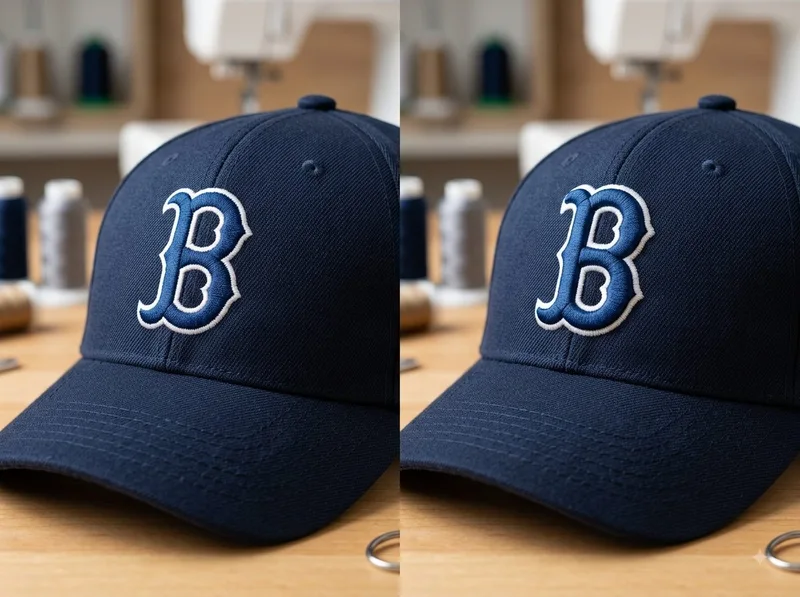
Flat Embroidery vs 3D Puff: Which Should You Choose?
It can be overwhelming to choose the right embroidery style, especially when you weigh flat embroidery against 3D puff embroidery for your logo. 3D puff can be premium, but the right choice heavily depends on your fabric, logo design, and overall branding goals.
Flat embroidery is best for intricate designs and highly detailed logos, and it works well on most fabrics. 3D puff embroidery can add a bold and raised effect to simple designs, but it is less suitable for complex or delicate logos. The right choice varies according to your design, targeted application and garment type. This guide will walk you through the differences between flat embroidery and 3D puff embroidery and help you choose the right one for you.
What Is Flat Embroidery?
Flat embroidery is one of the most common embroidery techniques, in which stitches are directly sewn onto the fabric surface to create a smooth, even design. In this method, it produces a flat and polished image with high levels of detail that make it perfect for intricate logos or designs.
Flat embroidery works best for all fabric types, from lightweight cotton to stretchy blends, that make it versatile for everything from t-shirts to activewear. The durability of the flat embroidery ensures that logos hold up through repeated washing and wear. For example, a small left-chest logo often includes fine lettering and narrow internal gaps. This uses flat embroidery, as 3D puff can reduce legibility at that finished size.
Flat embroidery is best for custom cap embroidery for those businesses that create branded headwear. This is best when the design contains fine details, small letters, or intricate elements that require it to remain visible.
What Is 3D Puff Embroidery?
3D puff embroidery often uses a foam layer just beneath stitched threads to create a raised, three-dimensional design that “pops” off the fabric. This makes it feel bold and premium, but the raised effect is best for simple and blocky designs with minimal text or detail.
3D puff embroidery has its limits, while striking. For example, the foam may not hold the shape well over time on lightweight or stretchy materials. Large letters and simple shapes often thrive with this method, as seen in sports and streetwear branding.
Differences Between Flat Embroidery And 3D Puff Embroidery
You have now understood the basics of flat embroidery and 3D puff embroidery. Now let’s dive into the main differences to know which style suits your logo best.
Appearance And Texture
Flat embroidery can help you create a polished, smooth look that is suitable for more subtle and professional designs. When it comes to 3D puff, it provides a bold and tactile finish that makes the logo stand out. The raised texture of the 3D puff is best for impactful branding like custom caps.
Suitable Fabrics And Garments
Flat embroidery can be used virtually for any fabric, from lightweight cotton to stretchy workout gear. 3D puff embroidery needs thicker fabrics like twill or canvas to hold the foam beneath the stitching in place. It is important to understand fabrics and garments when you choose the best hats for embroidery.
Durability And Washing
Flat embroidery provides high-level durability and is less prone to damage during washing. 3D puff embroidery provides a raised surface that can flatten over time, especially if not cared for correctly.
Logo Detail and Minimum Size
Flat embroidery is best for making intricate logo designs and small text. Foam is used in 3D puff embroidery, which limits the maximum size of letters and details, making it unsuitable for delicate or complex logos. Understanding this is best to choose embroidery vs print for custom caps as the level of detail and texture influence the decoration method.
Cost And Production Time
Flat embroidery is more cost-effective, while 3D puff embroidery often includes additional materials (foam) and steps that make it pricier and more time-consuming.
Digitising Requirements
Both styles need a digitising process that can transform your logo into a format the embroidery machine can use. 3D puff digitising is often more complex and expensive as designs need to be adjusted to accommodate the foam.
Which Embroidery Is Better For Your Logo?
The choice between flat and 3D puff embroidery depends on your logo’s details, your fabric selection, and the intended look. Here is how you can decide:
Flat Embroidery
- You can choose this if your logo involves intricate details or small text.
- This is best if you need versatile options that can work across various garments and fabrics.
- Durability and cost are the key considerations for flat embroidery.
3D Puff Embroidery
- Choose this if your logo is bold, simple, and has large letters or shapes.
- If you are aiming for a premium and attention-grabbing look for 3D puff embroidery.
- This is best if your fabric is thick or sturdy enough to support the foam and stitches.
When To Combine Flat And 3D Puff Embroidery
Combining both can help you create a unique look for complex designs. For example, you can use flat embroidery for detailed parts of the logo and use 3D puff to highlight bold elements like initials or a central icon, especially for custom caps in UK.
Frequently Asked Questions That Will Help You Make The Decision
1. Which style can last longer?
Flat embroidery can sit flush and resist everyday wear, friction, and frequent washing, but 3D puff embroidery has foam that can compress or flatten over time if it is washed heavily or, in some cases, packed tightly.
2. Is 3D puff more expensive?
High cost is often required due to specialised digitising, extra foam materials and manual cleaning of excess foam. Flat embroidery has a standard cost as it is faster and more economical for large orders.
3. Which one is best: flat embroidery or 3D puff embroidery?
Flat embroidery is best for t-shirts, jackets, lightweight garments, polos, and flat hats. 3D puff is best for structured baseball caps, outerwear and heavy hoodies.
Final Thoughts
Flat and 3D puff embroidery provide distinct advantages according to your logo design, fabric, and branding needs. Flat embroidery is best for detailed designs, while 3D puff is a great choice for bold and simple logos on structured fabrics. You can also order a sample or consult with a professional manufacturer to evaluate the results. Choose the right and best one according to your requirements and branding style. You can also combine both of them to create a unique style.
I am the lead content creator of the CapsCompany.co.uk blog, which provides valuable insights into the craftsmanship and behind-the-scenes processes of custom headwear.My posts go deep into covering the quality of the embroidery, the cap, the branding, and the promotional merchandise. I would like to demonstrate to companies the power of custom cap design in enhancing brand awareness and establishing relationships with customers.