
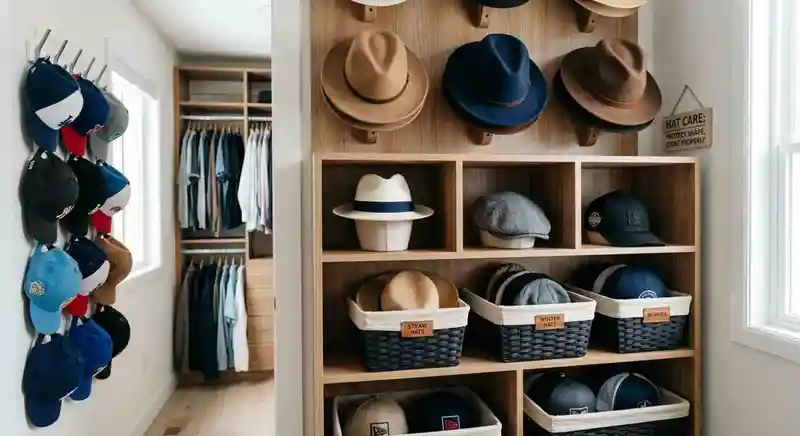
How to Store Hats and Keep Them Looking New
Thinking of increasing the lifespan of your personalised caps? Avoid exposure to direct sunlight, which causes fading; make use of special inserts for reinforcement; and always keep them in a cool and dry environment.
Protect Every Hat from Daily Damage
The good hat is more than just an accessory.
If you’re wearing baseball caps, trucker hats, snapbacks, bucket hats, or fedoras, proper care will keep them looking great and comfortable.
Sadly, many hats suffer the loss of structure due to folding, stacking incorrectly, dust, moisture, or exposure to sunlight.
When you know how to store hats correctly, it can help to make them last longer and remain clean and ready to wear.
Examine the different ways to store your favourite hats, the pitfalls, and some easy tips to keep them looking new for years.
Why Proper Hat Storage Matters?
While many people think about cleaning their hats, they do not think about the way they store hats.
Improper storage can lead to:
- Bent brims
- Crushed crowns
- Faded colours
- Dust buildup
- Permanent creases
- Moisture damage
- Misshapen panels
A good storage solution helps preserve the shape and appearance of your hats and decreases how often you need to clean and reshape them.
Wash Away Dirt Before Storing Hats
Do not leave a dirty hat in a place for a long time.
Oils, dust, and sweat can, over time, weaken fabrics if not handled properly.
Gently brush or roll off any surface dust before storing hats. Use mild soap to spot-clean stains, and don’t forget to let the hat dry thoroughly before storing it.
An odour-free, discoloured, or long-term damage to the fabric can be avoided by starting with a clean hat.
Remove Hats From Overheated And Sunny Places
Overheating can cause damage to the material and fibre structure.
Hats near windows, heaters, or in hot vehicles may fade, shrink, or have warped brims. The sun affects some materials and colours over time.
Keep hats in a cool, dry location and at a constant temperature to maintain their original condition.
Classify Hats By Type & Function
It’s easier to manage your collection if you keep similar hats together.
There are many ways that collectors arrange their hats, such as by colour, material, season, or purpose. This also helps to minimise the handling of collectable items among everyday hats.
Structured baseball caps, bucket caps, beanies, and wide-brim caps all require a slightly different storage method, so knowing the different types of caps and hats can help you get the most out of each one.
Provide Adequate Space For Each Hat
When hats are pushed together, it can create an undesirable pressure at the crown and brim.
Do not put several hats on top of one another; leave enough space so each hat keeps its shape.
Good spacing can also ensure ventilation and prevent moisture accumulation, thereby ensuring the freshness of hats in long-term storage.
Simple organisation means that you don’t have to wear it unnecessarily, and your collection is easier to access.
Select Storage That Protects Hat Shape
Various types of storage suit different kinds of collections.
Popular storage solutions include:
- Hat shelves
- Display racks
- Hat boxes
- Closet organisers
- Clear storage containers
- Wall-mounted holders
The most ideal solution depends on the number of hats you have, the space available, and whether you want to hang or store hats for the long term.
Use Dust Protection Covers For Hat Storage
Dust might not look like a big deal, but it does make a difference over time in the look and quality of the fabric.
If hats are hanging openly, remove dust from them with a soft brush or microfiber cloth.
Check periodically to make sure that the hats kept in containers are clean and dry. Dust prevention decreases cleaning frequency and allows colours and embroidery to remain for a long time.
Don’t Hang Hats By Their Adjustment Straps
A lot of people use the back strap or buckle to hang their hats.
This is easy to do and puts strain on the adjustment system, but it can cause the shape of the hat to change over time. Rather, use special hat hooks or specially designed shelving that distributes the weight evenly.
With proper support, hats maintain their original shape without being stretched.
Keep Seasonal Hats In A Separate Area
Not all hats are worn all year long.
When not being worn, winter beanies, summer bucket hats, and special event caps can be stored apart from each other.
Seasonal collections help to keep things organised and make sure that often-used hats are easily accessible.
Changing hats periodically throughout the year also helps to prevent overuse of individual hats.
Protect Your Hats While Travelling
Hats can be easily damaged during a trip if they are not properly packed.
Do not fold patterned hats; put them in a special travelling bag or in the middle of your suitcase with soft clothes to avoid damage.
Clean socks or tissue paper can also be stuffed into the crown to help keep it in shape during travel.
A little extra time invested in packing hats correctly will help eliminate wrinkles, bent brims, and the stress of carrying hats.
Preserve The Signature Look Of Trucker Caps
Special care needs to be taken with structured mesh hats because they have front panels that can easily become misshapen under pressure.
Custom trucker caps are popular for events, companies, sports teams, and casual wear because they offer durability and personality.
Keep these hats upright, on shelves or in separate boxes; don’t stack heavy things on top. The front structure should be maintained to provide comfort and appearance benefits.
Prevent Moisture From Causing Damage
One of the most significant factors in hat storage is moisture. Humid conditions can promote mould and mildew growth, odours, and fabric damage.
Hats should always be stored in places where there is sufficient ventilation and dryness, and should not be stored in storage areas or basements where moisture and humidity may be present.
For large storage containers, place moisture-absorbing packets inside to help control the humidity level and preserve your hats all year round.
Reshape Hats Before Storing Them
If a hat is already flattened, it should be reshaped before storing it.
Handle the crown gently with hands, supporting the brim so it does not lose its curve. If the crease is not too deep, place the hat on a rounded object with a shape similar to the original.
When reshaped correctly, small imperfections will not become permanent over time.
Inspect Stored Hats Every Few Weeks
Long-term storage doesn’t mean that you must forget about your collection.
Look for insects, fading, dust, and moisture on hats regularly. Regular checks enable you to fix minor problems before they turn into major ones.
Just a few minutes each month will keep your hats clean, dry, and ready to use when you want to wear them.
Use The Right Cleaning Method For Each Material
There are different methods of fabric care.
Cotton, wool, polyester, suede, leather, and straw fabrics treat moisture and cleaners differently. When cleaning a hat, be sure to read the care label and never use harsh chemicals that can strip colours or loosen the fabric.
Applying appropriate cleaning procedures will ensure that you maintain your collection’s beauty and longevity.
Ensure Hats Are Better Organised
Hats are likely to be pushed against clothes and bags by an overcrowded closet or be stuck between clothes and storage boxes.
Even good hats can be distorted if continuously pressed.
Designating a storage area will keep hats protected and make it easier to organise and access your hats. Some extra room helps keep them in shape.
Use High-Quality Hats
While good storage goes a long way toward prolonging the life of any hat, quality craftsmanship is also a factor.
Cloth hats are generally more durable if they are constructed using high-quality fabrics and reinforced stitching or well-structured panels.
These products offer better longevity and ensure that your hats look great after years of use.
Choose Experienced Manufacturers
A manufacturer’s reputation is the first step to quality.
Customers often select cap makers in UK due to their reputation for creating stitched hats that are both long-lasting and of high quality and for their commitment to craftsmanship and precision.
For any company, sports team, promotions, or personal collections, hiring an experienced manufacturer will provide a higher-quality product that will be easier to maintain and last a lot longer when handled properly.
Handle Your Hats With Clean Hands
Clean hands prevent unnecessary stains and oils from getting on hats.
Over time, dirt, lotions, and natural oils on the skin can transfer to fabrics and can be visible on hats, particularly on light-coloured ones.
Caring for hats will help prevent bending brims or putting any pressure on the crown.
These little things can help keep your collection looking great.
Practical Questions About Hats Storage
How should I store hats?
Keep hats on a shelf, in a storage box, or on a hat rack in a cool, dry environment, where they will retain their shape without being flattened.
Are hats to be cleaned before storage?
Yes. Cleaning eliminates sweat, dust, and oil, which can stain, smell, damage fabric, or discolour when stored for extended periods.
Do hats become damaged when placed in the sun?
Yes. Over time, direct sunlight can cause fading, weaken fabrics, and damage materials.
How frequently should the hats be checked when they are stored?
Check hats regularly for dust, dampness, mould, insects, or warping, and replace as needed before they cause permanent damage.
Would it be better to have hat boxes than to stack hats?
Yes. Hat boxes offer superior protection by supporting the crown, avoiding pressure damage, minimising dust accumulation, and maintaining shape.
Conclusion
Good hat storage is more than just storing your hat. It helps to retain the shape and color, minimise fabric damage, and prolong the life of each hat in your wardrobe.
Over time, simple practices like cleaning hats before storing them, keeping them dry, avoiding unnecessary pressure, and using the right kind of storage solution can make a huge difference.
Whether you have a few casual caps or a large collection, keep them in good condition and ensure they can give you the comfort, style, and wear that you desire when you need them.
Investing a few minutes of extra time in proper storage will help to ensure that your favorite hats look new for many years to come.
I am the lead content creator of the CapsCompany.co.uk blog, which provides valuable insights into the craftsmanship and behind-the-scenes processes of custom headwear.My posts go deep into covering the quality of the embroidery, the cap, the branding, and the promotional merchandise. I would like to demonstrate to companies the power of custom cap design in enhancing brand awareness and establishing relationships with customers.