
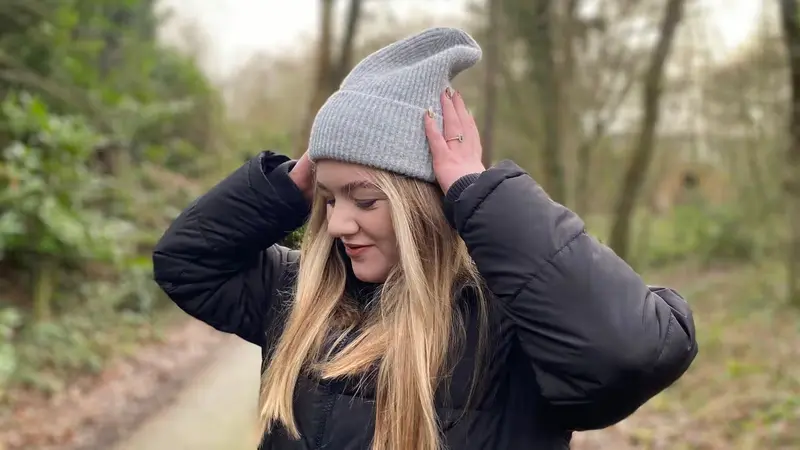
How to Spot a Beanie That Will Pill After One Wash
Finding a stylish and soft winter accessory seems easy until that one good-looking beanie gets washed and turns into a hairball. That beautiful beanie you thought looked chic just became something you wouldn’t wear unless absolutely necessary, possibly because it doesn’t feel very nice anymore.
If your first experience with washing your beanie was disappointing, know that you’re not alone! In the UK, beanies have become essential items for certain seasons, not just accessories. This means that, in addition to looking for a fashionable product, it is vital that you choose the right hat for any season that can withstand washing.
Fortunately, you don’t have to rely on luck or trial to ensure that the beanie you are considering will not be damaged by just one wash. This article will outline specific tips for spotting a beanie that will likely pill before you even buy it, so that you can invest your money in items that will remain smooth, stylish, and durable.
What Is Pilling and Why Does It Happen?
Fabric pills (or pilling) consist of small, fuzzy balls that form on fabric after repeated use or after laundering. They form when loose fibres break off the woven yarns, become entangled, and form visible ‘pills’. Pilling typically occurs in areas of fabric that come into repeated contact with one another, such as where the beanie rubs against your coat or your hair, or during a normal wash cycle.
Some fibres are more prone to pilling than others, particularly those that are made from shorter or weaker fibres. Loose fibre will easily knot together and create a “worn” appearance on your beanie before you expect it. Therefore, it is very important to think about the fabric and your wearing purpose before you choose the right hat for any season.
The Primary Causes Of Pilling Include
- Friction: Pilling happens during regular wear as a result of friction that loosens the fibre and creates pills. You can easily see this occurring on the upholstery of the chairs’ seating surfaces.
- Laundering: Laundering clothing with harsh detergents, using washing machines with aggressive cycles, or washing at high temperatures can weaken some fibre types, leading to the formation of pills.
- Environmental Factors: Increased moisture from humid environments and extended time spent on abrasive surfaces can cause fibres to break and tangle, resulting in the formation of pills.
Does Pilling Indicate Poor Quality?
No. Regardless of care, pilling can occur due to many factors. For example, even cashmere (a very high-quality material) will exhibit pilling. Fabrics that are tightly woven or have short fibres tend to show pilling more than other types. High-quality fabrics made from long-fibered or very tightly woven materials tend to pill less than lower-quality fabrics, and removing pilling from these types of fabrics is much simpler.
Which Fabrics Are Easy to Pill?
To find out which type of material you are likely to have issues with pilling, it is important to look into the fabric’s composition, such as whether it’s synthetic, wool, or cotton. Fabrics that use synthetic or blended fabrics typically pill more than natural fibres. Because of shorter lengths in synthetic fibres, they tend to break easily and entangle together. Fabrics of lower quality or with a loose weave are also likely to pill.
The following is a list of specific materials that commonly pill:
- Wool Blends: Although wool is a strong, durable product, pilling can occur from either the yarn being spun too loosely or being blended with synthetic yarn.
- Certain Cotton Blends: Any cotton blended with a synthetic will pill from excessive friction.
- Any Synthetic Blend: Fabrics that contain any combination of acrylic, nylon, or polyester will pill due to their satin-like surfaces, their very low moisture absorption, and their short fiber lengths.
- Fleece: When created from polyester or other synthetic material, fleece will eventually pill due to regular wear and tear and/or multiple washes.
Why Beanies Are Prone to Pilling?
Beanies tend to pill due to how frequently and consistently they come in contact with not only the hair and skin, but also with other clothing pieces. With frequent cold-weather washing (e.g., in places like the UK), beanies can be subjected to plenty of wear and tear, resulting in many supportive fibres breaking off the surface and creating pills over time.
Beanies are made to be warm and cosy, and the tender feel of these fabrics can also be a reason why relatively soft-to-hair and body fabrics with raised, loosely spun fibres break so easily, resulting in a beanie’s inter-fibregrey longened-restricted pressure being changed to create an oddball at once.
Consider the Fabric To Prevent Pill Moulding
When purchasing beanies, checking the most suitable fabric for a beanie hat label is one way to assess how likely the fabric is to pill before purchasing. Fabrics that have short synthetic fibres, which are synthetic blends such as polyester or acrylics, will create a higher likelihood of pilling than a natural fibre of good quality.
If fabrics such as cashmere or merino wool are used with care to ensure a suitable structure, or if long-staple cotton is used, this will assist in preventing pilling on a beanie.
Wearing layers is an important way to create an environment that allows longer retention of a beanie’s surface. When purchasing fabrics, especially in the UK, there is an added cost associated with using a higher-grade natural fibre, which provides a greater degree of look/feel.
Pay Attention to Yarn Quality and Texture
Yarns of the same type vary greatly in quality. A tightly spun and smooth yarn is far less likely to pill compared to a very fluffy or hairy-feeling yarn. Although fuzzy yarns may feel soft and luxurious at first touch, they tend to have loose fibres that easily form pills.
When you buy hats online in UK, don’t forget to check the texture of the fabric by zooming in. Defined fibre details and high-quality knits show clearly, while low-quality hats would look fuzzy or blurry. Read what other customers say about the yarn quality before buying.
When looking at beanies in a store, rub your fingers on the yarn. If you see fibres lifting off or falling off, that’s an indicator that the beanie is going to pill easily and should be avoided.
Examine the Knit Construction
The way a custom beanie is knitted impacts how well it will resist pilling. Tightly knit fabric that is dense has a higher likelihood of being durable because the fibres in the beanie are tightly bound, reducing any movement of the yarn/bulky beanie during wear. Loose-fitting or bulky handmade beanies may be stylish, but they cause fibres to move and tangle when worn.
Ribbed or dense-knit beanies are typically better if you are looking for a long-lasting beanie. Bulkier knits can be stylish but require more care to keep looking good after numerous washes.
Test the Softness vs Durability Balance:
While it may be easy to buy the cosiest beanie on the shelf, it is important to remember that although something may seem soft at first glance, that does not mean it will be durable over time.
Finding the right-quality beanie is all about striking the proper balance between comfort against the skin and not being too fluffy, so if it is so soft that it feels “too soft” or sheds when you rub it, that may indicate a potential for not lasting long. Look for those that have smooth, tight textures and still provide warmth without a lot of excess fuzziness.
Inspecting Beanies for Quality
Take a moment to inspect your purchased custom beanie hats at the store if you are holding them in your hand prior to purchasing. To do this, you will need to pull the fabric against itself by using your fingers to create friction to simulate the pilling caused by friction. If you see any fibres lifting or fuzz forming, or even see any tiny balls, then it is fairly obvious that you are purchasing a product that is of poor quality.
Another thing to pay attention to is to look out for irregularities in the fabric, such as rough or loose threads or areas that appear to have been worn down already. Quality beanies will have consistent fabric throughout with no weak points to be concerned about. Taking a couple of minutes to thoroughly examine them will save you from wasting time and money on a poor-quality beanie.
FAQs:
Is pilling a sign of bad quality?
Not necessarily. While common in cheap synthetics, even high-quality natural fibres like cashmere pill due to normal friction. It’s often a result of fibre length, not just construction quality.
Can I stop a new beanie from pilling?
No, but you can minimise it:
- Freeze it: 24 hours in a bag to “lock” fibres.
- Wash inside out: Cold, delicate cycle or hand wash only.
- Air dry: Never tumble dry.
- Skip softener: It can cause fibres to clump.
How do I remove pills from my beanie?
To remove pills quickly and safely:
- Best way: Use an electric fabric shaver or a sweater stone.
- DIY way: Lightly skim a disposable razor over the surface (keep the fabric flat).
- Manual way: Gently “brush” them off with a fine-tooth comb.
- Avoid pulling them off with your fingers, as this creates more pilling later.
Conclusion
For UK shoppers, beanies are more than just an accessory; they’re also seasonally important. A few extra details before purchasing will reduce the need for new purchases and help increase the longevity of the beanie. A well-designed, original beanie will improve the appearance of the individual while also maintaining its shape/texture/style over repeated use and washing.
I am the lead content creator of the CapsCompany.co.uk blog, which provides valuable insights into the craftsmanship and behind-the-scenes processes of custom headwear.My posts go deep into covering the quality of the embroidery, the cap, the branding, and the promotional merchandise. I would like to demonstrate to companies the power of custom cap design in enhancing brand awareness and establishing relationships with customers.