
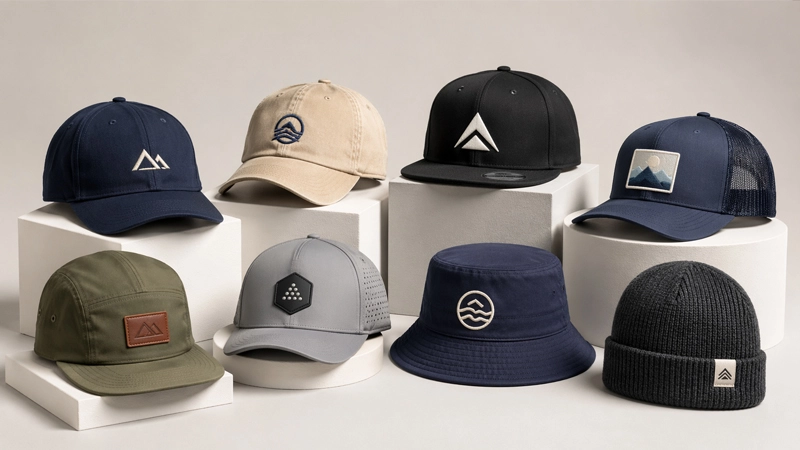
How to Pick the Best Fabric for Quality Caps
Nobody likes wearing a heavy hat that ends up making their forehead sweat. Discover how to select lightweight fabric that will not only keep you comfortable but also make you look attractive.
Matching Fabric Performance with Everyday Needs
Colours, logos, shape, or design are the things people generally think about when purchasing a cap. These are important, but even more significant is the fabric itself, as it will affect the comfort, durability, and usability of the cap.
A poorly structured cap can quickly become dull if it is uncomfortable, the material fades early, or doesn’t hold its shape.
The best fabric can affect the breathability in hot weather, comfort in extended wear, durability, and even the appearance of branding or embroidery on the fabric.
Buying caps is one of the most crucial choices that can be made, whether you’re buying for personal use, for sports teams, staff uniforms, promotions, or retail sales.
Examine the features of the different fabrics, factors to think about while selecting them, and how to figure out which materials offer high-quality.
Premium Fabrics Create a Better Wearing Experience
A cap is more than just a fashion statement. It’s a part of the daily routine for many people.
Frequently worn caps should be comfortable and keep their shape over time.
This can be achieved with good quality fabrics that provide:
- Better breathability
- Improved comfort
- Longer lifespan
- Stronger shape retention
- Enhanced appearance
- Easier maintenance
If manufacturers put the effort into quality materials, consumers will start to see the difference.
Breathable Materials Keep You Comfortable Throughout the Day
The primary reason people opt for one cap over another is comfort. While a cap might be a nice accessory, if it keeps you warm and damp or if it is too big, it is an immediate discomfort.
Breathable fabrics let air flow through the fabric. This helps to keep the body cool and prevent sweat build-up in warmer weather.
Cotton is still a popular choice as it provides natural airflow and is soft on the skin. Lightweight cotton fabrics are especially great for everyday clothing and outdoor activities.
Sports and active-use performance fabrics can also enhance breathability. These materials tend to attract moisture from the skin, which is beneficial for the wearer to keep them cool and dry.
When choosing a material for extended wear, it is crucial to remember that breathable fabrics are a more practical choice than those that are just for looks.
Durable Fabrics Help Caps Maintain Their Shape Longer
A cap should still look as good after several months, not just for the first few weeks.
Fabric quality is a key factor in durability. Caps made of strong fibres can withstand repeated cleaning, exposure to sunlight, and regular use.
Many businesses use custom caps in UK made of Polyester due to its high tensile strength, wrinkle-resistant and tear-resistant properties. This keeps the appearance of the cap as new for as long as it is used.
Polyester Enhances Long-Term Performance
Polyester has gained greater popularity due to its resistance to tough environments.
Unlike other natural fibres, polyester does not absorb moisture. This means it will dry quickly and work well for outdoor activities.
Polyester has the following advantages:
- Excellent durability
- Strong shape retention
- Quick drying properties
- Colour retention
- Wrinkle resistance
These attributes allow polyester to be used in sports caps, workwear caps, and outdoor products to endure changing weather conditions.
Many modern caps feature polyester in combination with other materials to deliver a perfect balance of comfort and performance.
Cotton Remains a Trusted Choice for Everyday Use
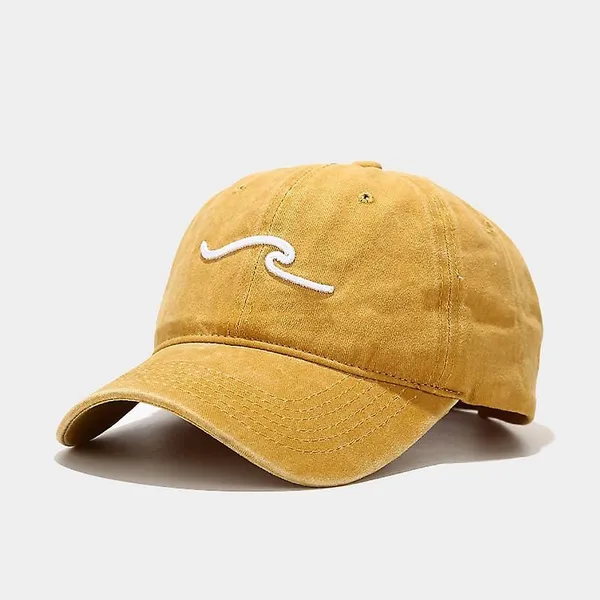
For many years now, cotton has been one of the most commonly used materials in cap fabrics, thanks to its perfect combination of comfort and functionality.
Among the positive characteristics of cotton are:
| Benefit | Why It Matters |
| Softness | Comfort against the skin |
| Breathability | Never overheats the head. |
| Durable | Lasts long under frequent use |
| Ease of care | Easy to wash |
| Natural look | Looks good with most fashion items |
Cotton is especially effective in producing casual hats due to its natural feel and comfort.
Additionally, cotton absorbs embroidery and prints well, thus being appropriate for both personal and commercial use.
However, cotton is not always able to provide such waterproof characteristics as artificial fibres do; comfort is usually what makes people prefer it.
Mesh Panels Improve Airflow and Everyday Comfort
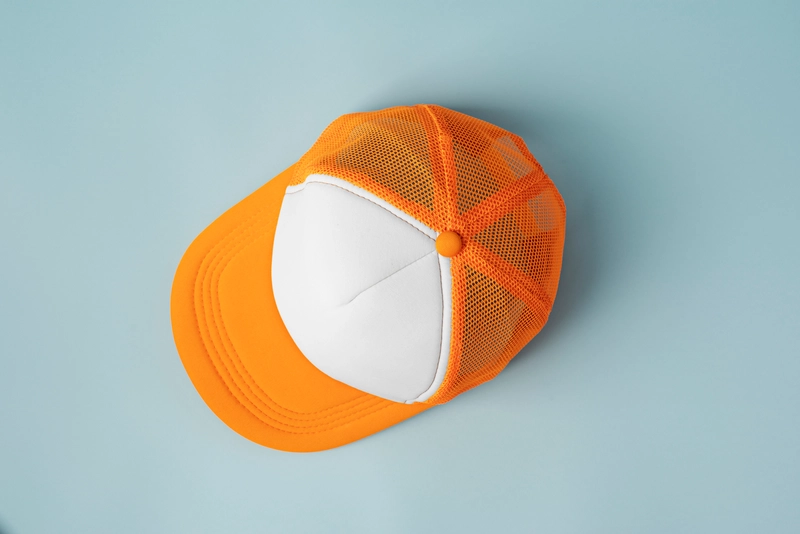
Cap performance is greatly dependent upon ventilation. Mesh panels help increase airflow by allowing heat and moisture to escape.
This style has been popular in trucker-style caps due to its structure and breathability.
The appeal of personalised trucker caps is increasing as they offer a comfortable, stylish look with great branding and customisation possibilities.
The mesh-backed design is ideal for outdoor use, sports, and warmer climates where ventilation becomes a critical factor.
How Fabric Weight Influences Everyday Comfort and Durability
The thickness of the fabric used to make a cap determines how it feels when it is worn.
Lighter materials usually appear cooler and more comfortable in hot weather, and heavier materials can provide extra structure and durability.
When selecting a cap, think about:
- Climate conditions
- Intended usage
- Frequency of wear
- Desired appearance
For regular summer wear, a lighter cotton cap may be what you’re looking for, but for more formal, marketing, or retail programming, heavier cotton blends might sound better.
Using the right fabric weight for the right purpose is one of the best ways to provide an enhanced experience.
Choosing Fabrics That Support Better Branding Results
A cap is frequently used as a marketing device. The fabric will impact the way logos and graphics appear, whether they are used to promote the business, for events, or for team identity.
Different materials react differently to:
- Embroidery
- Screen printing
- Heat transfers
- Patches
- Woven labels
A smooth fabric will work better for detailed designs. Logos can be enhanced by using structured materials to make them appear sharper and more prominent.
Many organisations view caps as a stylish way to promote your brand, as they offer a blend of durability and visibility, making them a convenient and impactful way to showcase the brand. But the right choice of material at the start is essential to professional success.
Why Fabric Flexibility Can Improve Daily Wear
The flexibility of a cap determines how well it conforms to the shape of the wearer’s head.
Certain fabrics are more comfortable, allow more movement, and are therefore better for longer wear. Others offer more structure, giving a sharper, more defined look.
The perfect balance varies based on individual tastes and purposes.
Regular cap wearers like cap materials that offer:
- Natural movement
- Reduced pressure points
- Better fit adaptation
- Long-time comfort
A flexible fabric can significantly improve the overall wearing experience.
Why Does Finding the Correct Fit Start with Better Material Selection?
No matter how great the cap is, if it does not fit correctly, it will cause discomfort.
The material also has an impact on the fit of a cap, the amount of flexibility it provides, and its ability to move with the wearer.
When you have the flexibility and support from the fabric, it’s much easier to understand the right cap size for a perfect fit. Some materials are flexible or naturally adapt their shape, enhancing comfort without sacrificing style.
A good-sized cap will reduce pressure, won’t slip, and make the cap more comfortable to wear.
Fabric Texture Changes the Look and Feel of a Cap
Texture has both an aesthetic and functional impact.
Smooth fabrics give a clean and refined appearance, while textured fabrics can add a sense of rustic or casual style.
Commonly available textures include:
- Brushed cotton
- Twill
- Canvas
- Mesh
- Performance polyester
The different textures produce different images and can affect the visual quality of the cap.
Selecting the appropriate texture for the desired effect enhances the overall product.
Different Cap Styles Support Better Fabric Choices
The fabric should be suitable for the cap style.
There are various materials suitable for different designs. It is best to use stronger fabrics for structured caps and softer fabrics for relaxed styles.
For instance, mesh panels work well on trucker caps, while polyester blends are good on baseball caps. High-quality fabrics can be used for fashion-related designs to produce a more sophisticated design.
Understanding the types of caps and hats in the market helps buyers select materials that go with appearance and functionality.
FAQs
What kind of fabric suits daily-use caps?
Cotton fabric is known for being soft, breathable, and comfortable to wear for a long time.
Is polyester a more suitable fabric for hats than cotton?
Polyester is waterproof, whereas cotton is comfortable to wear. Both can be used according to the condition.
Which kind of fabric suits outdoor caps?
Moisture-absorbing and fast-drying fabrics such as performance polyester are good for outdoor use.
How do the caps survive for a long time based on the material?
Advancements in technology have made it possible for materials to produce caps that are durable and long-lasting.
Why do you require breathable material in caps?
Breathable material has airflow and helps reduce heat, thus making one comfortable.
Conclusion
When choosing the most suitable fabric for making the cap, it is not only about its design, but also whether it is suitable.
It affects how comfortable the cap is, its durability, how well it holds its shape, and how effectively it carries branding.
Cotton is comfortable to wear all day, polyester is extremely durable, and technical fabrics are used for moisture management by active users.
Knowing some specific features of the chosen material, such as its breathability, weight, feel, elasticity, and purpose, can make it easier to choose the material that would bring the most desired results.
Using the proper fabric is the most important part of designing a cap. Choosing the best material will save you lots of time and effort in the future.
I am the lead content creator of the CapsCompany.co.uk blog, which provides valuable insights into the craftsmanship and behind-the-scenes processes of custom headwear.My posts go deep into covering the quality of the embroidery, the cap, the branding, and the promotional merchandise. I would like to demonstrate to companies the power of custom cap design in enhancing brand awareness and establishing relationships with customers.