
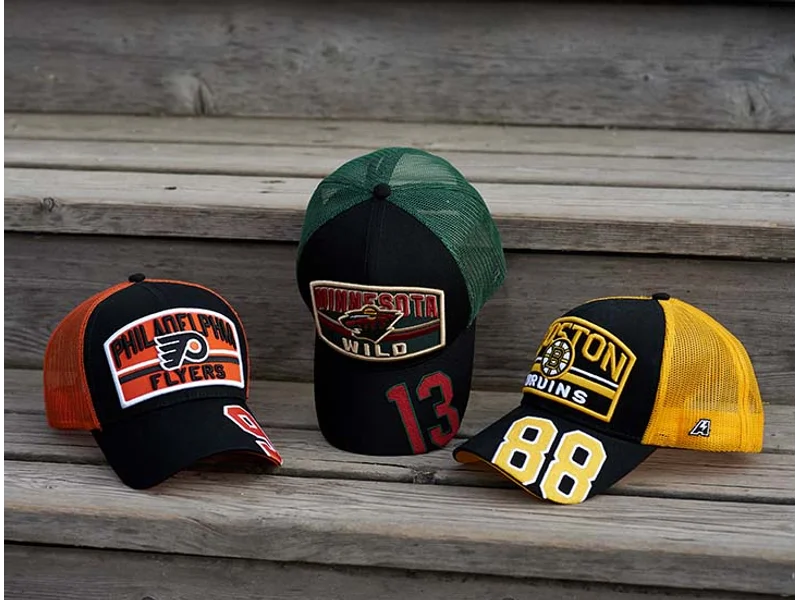
How to Design Custom Caps People Actually Want to Wear
Most branded caps never leave the bag. Not because they’re cheap, but because they look like nobody actually thought about them. A logo slapped on whatever was available, ordered in bulk, handed out and forgotten.
The caps people actually wear are different. They fit the right way, they go with things already in the wardrobe, and they feel like someone made a decision, not just placed an order.
That’s the gap this is about. Not budget, not minimum order quantities. Just the thinking that happens before anything gets made. Get that part right, and the cap does something most branded merchandise never does: it gets worn.
Before You Design Anything, Pick the Right Cap
There are enough types of caps and hats out there to make the wrong choice easy. Each silhouette carries a different signal, and putting the wrong one on your brand is worse than no cap at all.
The snapback is structured, flat-brimmed, and has a streetwear edge built into it. It works for brands with personality. Put it on a corporate giveaway, and it just looks confused.
The dad cap is the opposite. It is soft, unstructured, and has a curved brim. It goes with almost anything casual without trying too hard. Probably the most wearable option across different audiences.
The trucker has a mesh back and one very specific vibe: outdoors, unpretentious, laid-back. Perfect for lifestyle and food brands. Less perfect for anything that needs to feel considered.
The flat cap is heritage territory. Intentional, distinct, and not for everyone, which is exactly why the right brand should use it.
The beanie sits outside the cap conversation technically, but cold-weather use cases make it worth knowing.
Pick the silhouette that already matches where your brand lives. Don’t force it.
The Design Decisions That Actually Make or Break a Cap
The silhouette gets people to pick it up. Everything else decides whether they actually wear it.
These are the choices that matter, and most people get at least one of them wrong.
Embroidery, print, or puff — they don’t mean the same thing
- Embroidery reads premium. It has texture, it holds up after washing, and it signals that someone spent real money on this. Use it when quality perception matters.
- Screen print is flat and casual. Works fine for simple designs but fades faster and feels lighter in the hand.
- Puff print sits raised off the fabric. It has a very specific streetwear association. You will find it bold, graphic, and unapologetic. Go for the wrong context, and it will look cheap. Right context and it’s exactly what the design needed.
Where the logo sits changes everything
Front and centre is the default. It’s direct, visible, and works for most use cases. But a small logo on the side panel feels intentional, more like a fashion cap than a branded one. Left chest energy, if that makes sense. Some brands pull off both: a tonal embroidery on the front with a small hit on the side.
Colour contrast is doing more work than you think
A logo that blends into the caps disappears. A logo with too much contrast shouts. The sweet spot is enough difference to be readable without feeling like a billboard. Tonal embroidery in the same colour family, with a slightly different shade, is the move for brands that want the caps to feel wearable first, branded second.
Structure matters beyond just looks
A structured cap holds its shape and photographs well. An unstructured cap feels more personal and broken-in. Neither is better. They just suit different brand personalities. Know which one yours is before you order samples.
Where Your Cap Gets Made Matters More Than You’d Think
Two caps can look identical in a product photo and feel completely different in your hands. That difference almost always comes down to where and how they were made.
Manufacturing origin affects everything. The weight of the fabric, how cleanly the stitching sits, and whether the brim holds its shape after a few months of use. It’s not always about paying more. It’s about knowing what you’re actually ordering before the samples arrive.
Some brands go straight to bulk overseas production to keep costs low. That works if the quality check is tight. Others source closer to home. Cap makers in UK have built a reputation around craft and consistency, which matters when the caps represent your brand every time someone wears it.
Before committing to any manufacturer, a few things are worth checking:
- MOQ: Minimum order quantities vary a lot. Some makers work with small runs; others won’t move without 500 units.
- Samples: Always request one before full production. No exceptions.
- Customisation depth: Can they match your exact Pantone? Do embroidery in-house? These details separate a real partner from a catalogue supplier.
- Turnaround and communication: A maker who goes quiet after the deposit is a problem waiting to happen.
Ethical production is worth asking about, too. Where the fabric comes from, how workers are treated, these things matter to the people wearing your caps, even if they never say it out loud.
Stop Designing a Billboard. Start Designing a Cap.
The caps become a logo carrier and nothing else. That’s where it goes wrong.
A washed olive dad cap with small tonal embroidery tells you the brand has taste. A fluorescent cap with a giant centred logo tells you the brand wanted visibility. One gets worn on weekends. The other stays in the bag.
Personality over presence
The design should reflect how the brand actually feels, not just what it looks like on a style guide. Colour, fabric, silhouette, all of it should feel considered, not default.
The logo test
Would someone wear this if the logo weren’t there? If the answer is no, the caps aren’t ready. That’s the honest filter most skip.
What promotion actually looks like
A cap people genuinely choose to wear is a stylish way to promote your brand because the branding travels with them, naturally, without asking for attention.
Design the cap first. Let the logo live inside it.
How to Actually Design Your Own Cap
Knowing what you want is one thing. Getting it made is another. Here’s how the process actually works.
Start With the Base
Pick your silhouette first. Everything else builds on that decision. Once that’s locked, choose the fabric. Cotton twill is the standard. Washed cotton feels more relaxed. Canvas is heavier and more durable. The base sets the tone before a single design element goes on it.
Sort the Artwork Before Anything Else
This is where most people lose time. Makers need vector files that are clean, scalable, and no blurry JPEGs. If the logo was designed properly, this shouldn’t be a problem. If it wasn’t, fix it before approaching anyone for production.
Talk Through the Details With Your Maker
Thread colours, placement measurements, and embroidery density- these aren’t decisions to make alone. A good manufacturer will walk through the options with you. Let them. They’ve seen what works and what looks off once it’s stitched.
Always Approve a Sample
When you design your own cap and skip the sample stage, you’re guessing. The sample shows exactly how the thread colours read on the fabric, how the logo sits on the panel, and whether the sizing feels right. One sample saves a lot of regret.
Then Move to Production
Once the sample is approved, production is straightforward. Set a realistic timeline: quality runs take a minimum of a few weeks. Rush jobs cut corners somewhere.
Mistakes That Are Easy to Make and Hard to Fix
Skipping the sample
It looks fine on screen. That’s not good enough. Colours shift on fabric, embroidery reads differently at small sizes, and proportions that worked in a mockup can look off on an actual cap. One sample prevents all of that.
Ordering without a brief
Telling a maker “something clean and minimal” is not a brief. Pantone codes, exact placement measurements, and embroidery thread count. The more specific the brief, the less room for something to go wrong.
Choosing colour for yourself
The cap isn’t for you. Picking a colour because it’s a personal favourite instead of asking what works for the audience is a quiet but common mistake. Brand fit comes first.
Going straight to bulk
A small first run reveals problems that a sample alone sometimes won’t. If the budget allows, start smaller than planned. Scale once it’s proven.
Important FAQs Regarding Custom Caps
What cap style works best for brand merchandise?
It depends on the brand. Dad caps suit casual and lifestyle brands. Snapbacks work for bold, streetwear-leaning identities. Pick the silhouette that already matches your brand personality.
How do I design my own cap with a logo?
Choose your base, prepare a clean vector file, and work with a manufacturer on placement and embroidery. Always approve a sample before full production.
Does it matter where a cap is manufactured?
Yes. Fabric quality, stitch consistency and colour accuracy all vary. Always request a sample from your maker before committing to a full run.
Conclusion
A cap that gets worn doesn’t happen by accident. It happens because someone made a decision at every step instead of taking the easy option.
The silhouette, the fabric, the placement, the sample, none of it is complicated. It just needs to be thought about. Skip one step, and it shows. Get them all right, and the cap speaks for itself.
I am the lead content creator of the CapsCompany.co.uk blog, which provides valuable insights into the craftsmanship and behind-the-scenes processes of custom headwear.My posts go deep into covering the quality of the embroidery, the cap, the branding, and the promotional merchandise. I would like to demonstrate to companies the power of custom cap design in enhancing brand awareness and establishing relationships with customers.